Services
Everything between the first call and the final file
We take on whole films and we take on single stages. Below is what each part of the job actually includes, and what lands in your hands at the end of it.
- Five service areas
- Captions on every delivery
- Two note rounds quoted
01 / The half of the job that decides whether the shoot works.
Pre-production planning
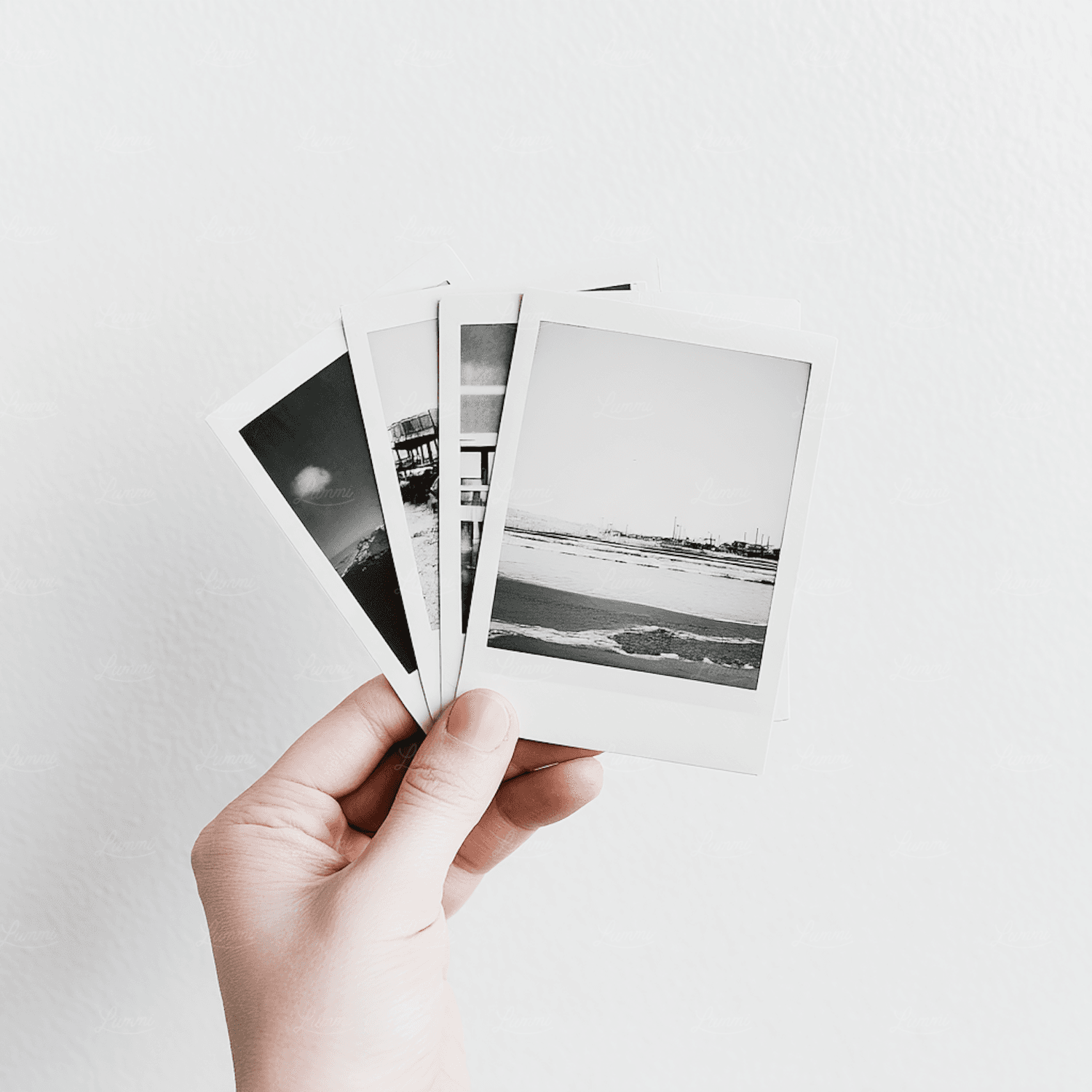
Before anything is filmed we agree what the film is for, who it is for, and how you will know it worked. That means research, a written treatment, and an honest conversation about what a budget will and will not buy.
For documentary work this stage carries the access. Permissions, community consultation, consent, scheduling around seasons and shift patterns. On the prairies that often means planning a shoot around a harvest, a freeze-up, or a rink schedule rather than a calendar.
What you get
- Written treatment and a one-page story spine
- Shooting schedule built around your real calendar
- Location scout notes and access or permit arrangements
- Interview subject list with prepared question routes
- Consent and release paperwork in plain language
- Budget with a clear line between fixed and variable costs
02 / Small crews, long days, and a camera that stays out of the way.
Production
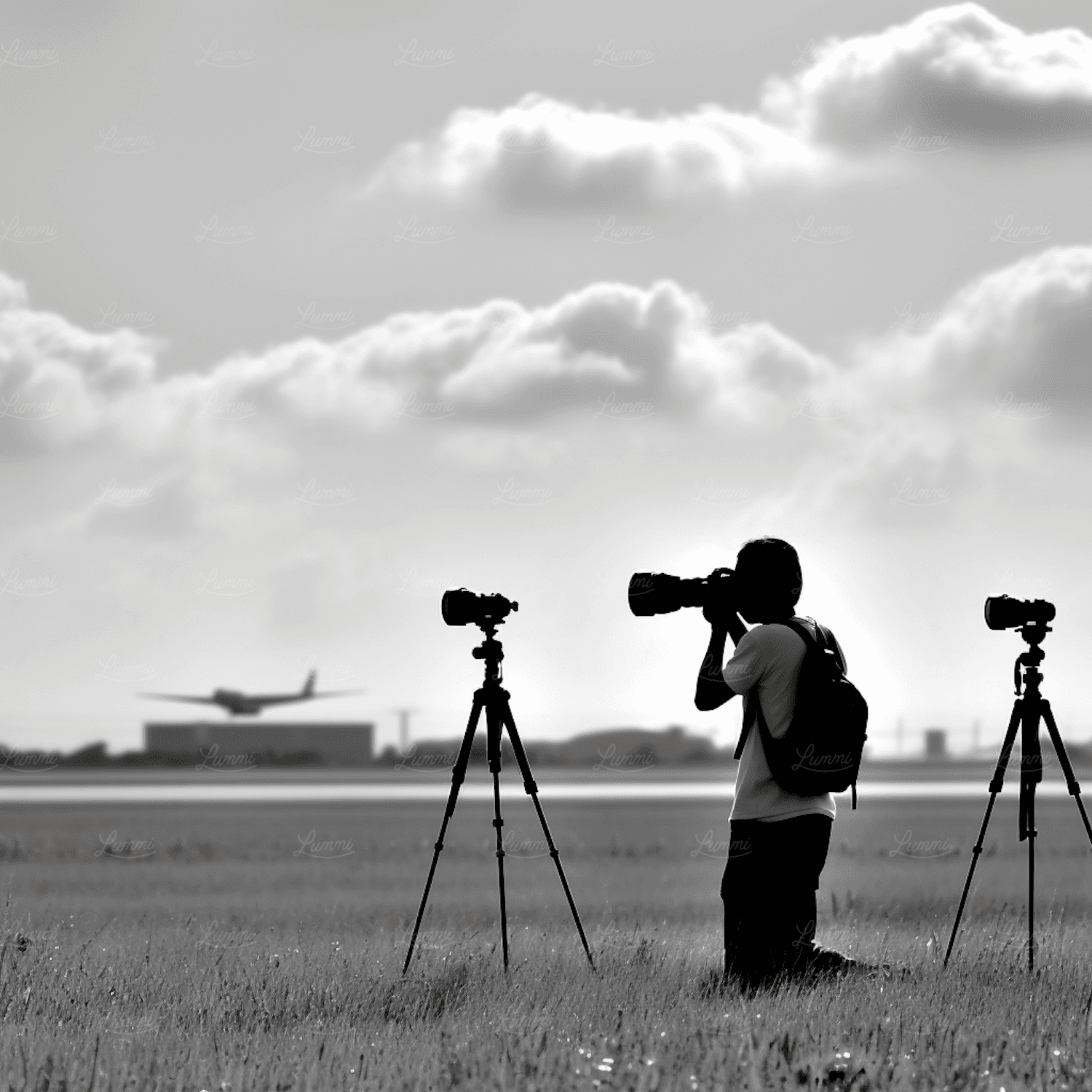
We shoot with the smallest crew the story allows. On observational work that is usually two people, because a room changes when six strangers walk into it and the footage shows it.
Everything is recorded to two cards and backed up to two drives before the day ends. Interviews get dedicated audio rather than camera sound, and we light for the room the interview is in rather than dragging in a studio.
What you get
- Single or multi-camera coverage in 4K
- Dedicated location sound with radio and boom microphones
- Interview lighting suited to the room, not a studio kit
- Aerial coverage where the story needs the height
- Dual-card recording with same-day backup to two drives
- Daily shot notes so the edit does not start from nothing
03 / Editing and colour, where the film is actually written.
Post-production
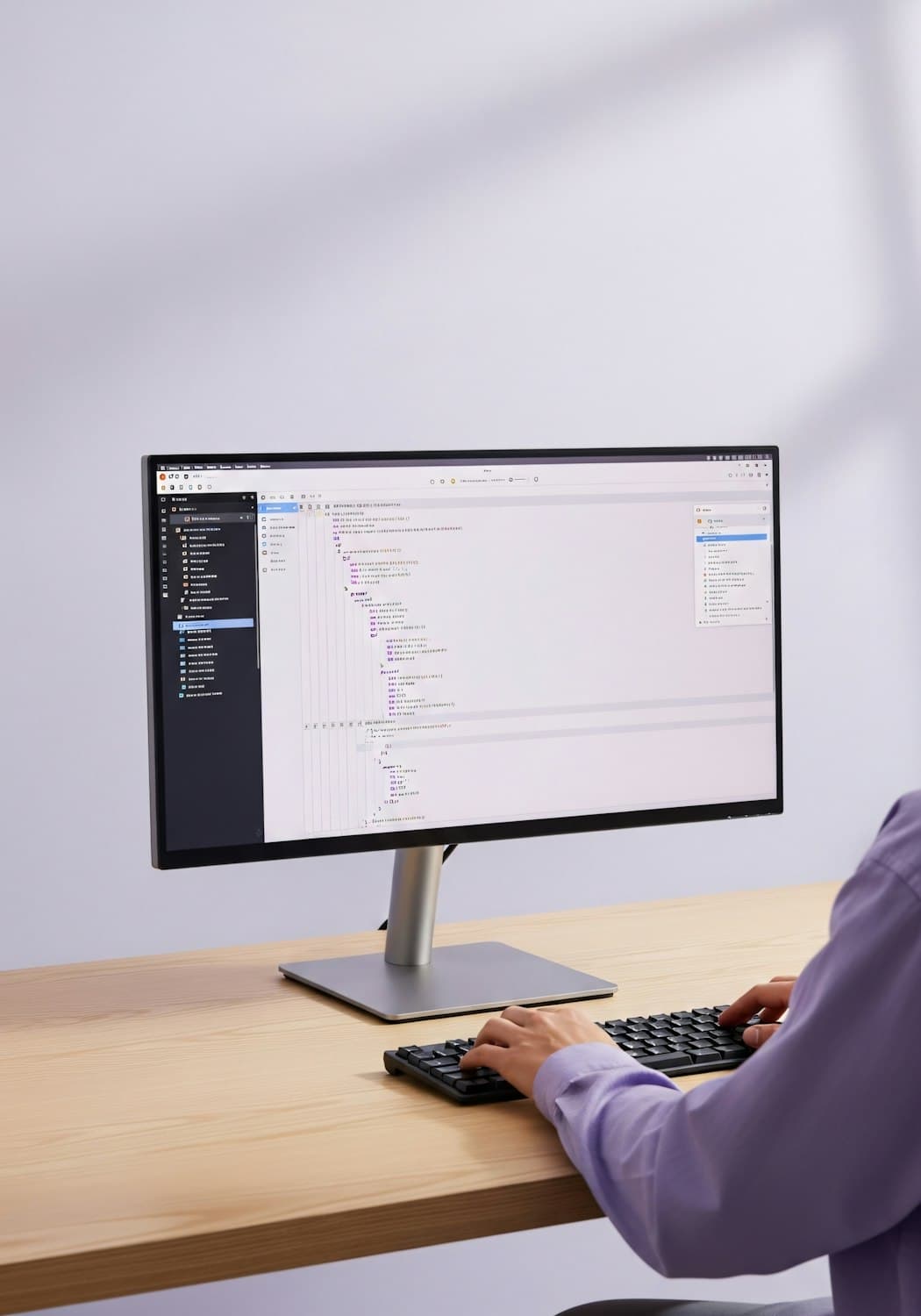
The edit starts on paper. Transcripts, a selects pass, and a structure agreed with you before a single cut is made, so the first assembly you see is already the right film in rough form.
Colour grading is done on a calibrated display, shot by shot. For documentary work that usually means matching wildly different light across months of shooting so the film reads as one piece rather than a folder of clips.
What you get
- Transcription, selects pass and a written paper edit
- First assembly, rough cut and fine cut with two note rounds built in
- Shot-by-shot colour grade on a calibrated display
- Titles, lower thirds and end credits in your typeface
- Licensed music and archival clearance where required
- Masters in the formats and aspect ratios you actually use
04 / If it cannot be heard or read, it was not delivered.
Sound and captions
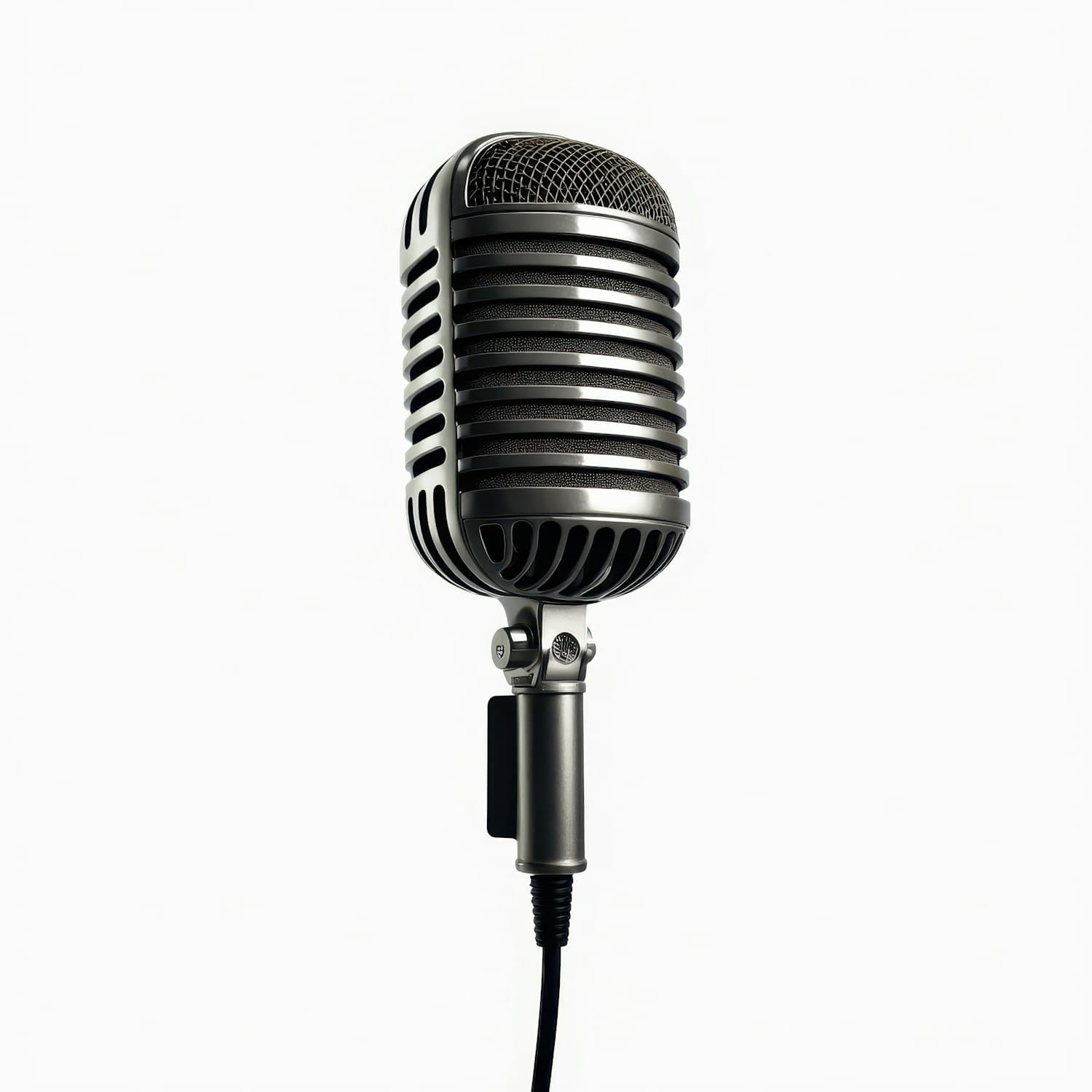
Sound gets its own pass, not whatever survives the picture edit. Dialogue is cleaned and levelled, room tone is laid properly, and the mix is checked on speakers and on a phone, because that is where most of it will be watched.
Captions are standard on everything we deliver, not an upsell. Every film goes out with an accurate caption file, and burned-in captions when the film is destined for social feeds that play silently.
What you get
- Dialogue clean-up, levelling and full sound mix
- Room tone and atmosphere laid across the timeline
- Broadcast-standard loudness on every master
- Accurate SRT and VTT caption files
- Burned-in caption versions for silent autoplay
- Full written transcript for your own records
05 / Getting the finished film in front of the people it was made for.
Distribution support
A film that sits on a drive has not finished. We hand over assets sized for where the film is going, whether that is a festival submission, a funder report, a hiring page or a screening in a community hall.
We will also sit in on the screening if it helps. For community and non-profit work that is often the part that matters most, and it is included rather than billed.
What you get
- Web, broadcast and festival masters from one grade
- Vertical and square cuts sized for social platforms
- Trailer and short teaser cut from the finished film
- Poster frames and a stills package for print and press
- Upload, thumbnail and description support on your own channels
- Screening files tested on the venue's actual equipment

How a project runs
Pre-production, shoot, post
Three phases, in that order, every time. Here is what happens in each one and what you sign off before we move on.
Phase 01
Pre-production
Two to six weeks, typically
We start with a call and a look at what already exists. From there we write the treatment, agree the spine of the film, and build a schedule around the real constraints: seasons, shifts, harvest, freeze-up, and the people whose day we are interrupting.
- Discovery call and written brief
- Treatment and story spine signed off
- Access, permits and consent arranged
- Schedule and budget locked
Phase 02
Production
One day to several seasons
We shoot. For a corporate piece that is often two or three days. For documentary work it can run across a year, because the story has its own calendar. Either way you get shot notes as we go, and nothing disappears into a black box until the edit is done.
- Location scout and safety walkthrough
- Principal shooting days
- Interviews recorded with dedicated audio
- Same-day backup to two drives
Phase 03
Post-production
Three to twelve weeks
Transcripts, paper edit, assembly, then the cuts you actually watch. Two rounds of notes are built into the quote so revisions are not a negotiation. Colour, sound and captions come last, and delivery includes every format agreed at the start.
- Paper edit and first assembly
- Rough cut, notes, fine cut
- Colour grade, sound mix, captions
- Masters, versions and archive handover
Start a project
Not sure which parts you need?
Send what you have. Plenty of projects arrive as a folder of footage and a deadline, and that is a perfectly good place to start from.